Physiotherapy Date: 29 Jan 2026
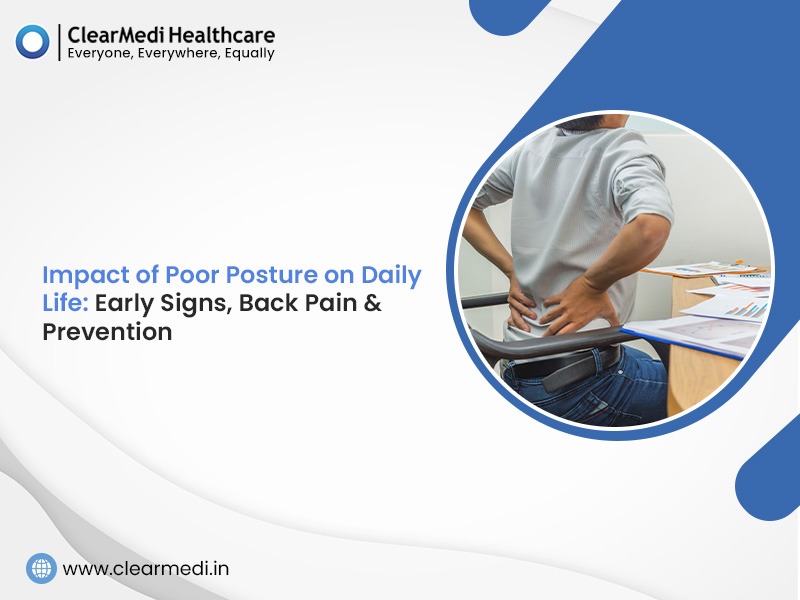
In today's digital world, poor posture has become a silent epidemic affecting people worldwide. Using smartphones while lying on couches and the way we hold our bodies throughout the day have far-reaching consequences that can extend well beyond simple discomfort. It is crucial to understand various poor posture effects and understand early warning signs, which can be a step forward in reclaiming your health and preventing chronic pain. It is essential to seek back pain physiotherapy when dealing with such chronic conditions.
Poor posture can occur when the spine deviates from its natural alignment, forcing muscles, ligaments, and joints to work harder than required. There are numerous causes of poor posture, including prolonged sitting, modern lifestyle habits, weak core muscles, psychological factors, stress and fatigue, and excessive use of technology.
Various signs of poor posture can often develop; these signs evolve gradually and are easy to overlook until they become a chronic condition. Some of these indicators are:
The effects of poor posture can create a Domino effect throughout the body, affecting multiple systems and aspects of our daily life. Some of these effects are:
Back pain physiotherapy clinics see a steady stream of patients who are primarily suffering from postural issues. Poor posture back pain is very predictable. The poster related pain in the upper back and shoulders can cause stiffness that makes turning the head difficult. This type of bad posture back pain is a result of muscles working over time to counteract forward head position and rounded shoulders. The cervical spine is vulnerable to posture stress, hence it is significant to get consultation from an internal medicine doctor for more intensive treatment.
Preventing poor posture problems requires a multifaceted approach; it is important to consult an internal medicine doctor who can provide a comprehensive evaluation, rule out conditions, and help identify poor posture symptoms. Back pain physiotherapy is represented as one of the most effective interventions for addressing bad posture effects. A physiotherapist can employ various modalities to manage pain; these goals can extend beyond pain relief to retraining the neuromuscular system and teaching the body a healthier movement pattern.
Our Hospital network spreads across India. From ClearMedi Multi-Speciality Hospital in Mysore to ClearMedi Monark Cancer Hospital in Nanded, and from ClearMedi Paridhi Multispeciality Hospital in Gwalior to Primacare ClearMedi Multispeciality Hospital in Noida, expert care is available. You will also find 24/7 support at ClearMedi DMH Multispeciality Hospital, Varanasi; ClearMedi Bahra Multispeciality Hospital, Kharar; and ClearMedi Radiant Hospital, Mysore. It is essential to understand the effects of poor posture deeply. The reasons for having a poor posture are deeply rooted in the modern lifestyle; hence, recognizing signs of poor posture is crucial to take proactive steps and to prevent minor discomfort from evolving into chronic pain conditions. Always remember the journey to better posture begins with a single conscious adjustment.
1. What is poor posture, and how does it affect daily life?
Poor posture occurs when your spine deviates from its natural alignment, which can affect daily life in many ways by causing chronic pain, reducing energy levels, decreasing productivity, and limiting mobility. Some other complications that can be faced include digestive health, increased headache, fatigue, difficulty in breathing, etc.
2. What are the early signs of poor posture?
Early signs of poor posture include persistent neck and shoulder tension, muscle fatigue, rounded shoulders, and forward head position, frequent headaches, difficulty taking deep breaths, uneven shoulder or hip alignment, etc.
3. Can poor posture cause back and neck pain?
Absolutely, it is the leading cause of both back and neck pain, which can affect shoulders and hips, and even cause tension headaches. It can lead to chronic discomfort, muscle spasms, and can even accelerate spinal disc degeneration.
4. Who is most at risk of posture-related problems?
Office workers, students, smartphone users, and people with a sedentary lifestyle are at higher risk of posture-related problems. Along with these individuals with weak core muscles, Healthcare workers, drivers, and people wearing improper footwear are also vulnerable.
5. How can poor posture be prevented or corrected?
The prevention of poor posture requires an ergonomic workspace setup, regular breaks within 30 to 60 minutes, strengthening exercises, etc. We can also consider back pain physiotherapy for personalized guidance on posture action and regular consultation from healthcare professionals for persistent and comprehensive treatment approaches.
© Copyright 2025, ClearMedi. All rights reserved.





 Call:
9599565977
Call:
9599565977